
Investigating insurance claims is the process of verifying information provided by claimants to validate the legitimacy of their requests. This critical step helps to protect insurers against fraud and assess damages to ensure consumers are properly compensated for all valid claims. As one of the most essential aspects of the insurance process, an effective insurance claim investigation is an essential component of successful risk management.
What is an Insurance Claim Investigation?
An insurance claim investigation is an in-depth examination of an insurance claim to ensure the accuracy of any information provided. The investigation process helps to identify any potential inaccuracies or inconsistencies in the claims submitted and clarifies any discrepancies to ensure that proper payments are made.

Do you know if the damage to your home applies to a claim?
We go to your home and Inspect it for FREE. Leave the paperwork, documentation, and investigation to the experts. We help you Maximize your Claim and get you what you truly deserve.
Ian hurricane – Water damage – Roof damage – Wind damage – Storm damage – Fire damage – Denials – And more… ask us!
In most cases, insurance claim investigations are conducted by loss adjusters, who analyze the claimant’s information to determine whether the cause of loss is covered by the policy and if the claim amount is accurate and consistent with the policy terms. In addition, loss adjusters are responsible for determining if the claim is fraudulent or if more information is needed.
The Benefits of an Insurance Claim Investigation
Successful insurance claims investigations protect insurers from fraudulent claims and overpayment. When scrutiny is applied to each claim, insurers can detect any fraudulent claims and avoid these costly payments while still allowing their customers to receive the compensation they’re entitled to. Additionally, insurance claim investigations help to ensure that claimants are properly reimbursed for any valid losses and are in compliance with their policy terms.
»More: Casualty Claims: File and Manage Insurance Claims Responsibly
In addition to financial savings and enhanced accuracy, insurance claim investigations also provide insurers with the opportunity to enhance customer relationships. By investing in a thorough examination of customer claims, insurers demonstrate that they are committed to fairly evaluating customer losses and are dedicated to providing a fair, just, and transparent claims process.
Claim Investigation Process
Keep in mind some items in Claim Investigation Process:
- Proof of ownership (deed, title, or mortgage statement)
- Receipts of any repairs or improvements you’ve had done to the home
- Photos of the damage
- Police report (if applicable)
- Medical bills (if applicable)
- Inventory of damaged items
- Receipts or appraisals of any damaged items
- Receipts for any temporary living expenses (if applicable)
- A copy of your insurance policy
- Any correspondence you have had with your insurance company
The insurance claim investigation process typically includes the following steps:
Review of policy terms and conditions
This is done to clearly understand the circumstances and conditions that must be met for coverage.

Data gathering and analysis
This involves collecting and analyzing all relevant documents, records, and evidence to verify the accuracy of the claim.
»More: Wind damage insurance claims safeguard your home from wind
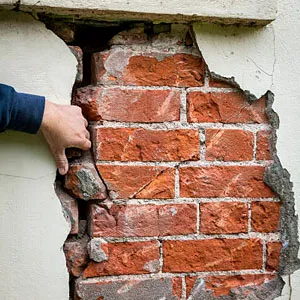
Verification of facts
This involves contacting relevant third parties to assess the accuracy of the information provided.
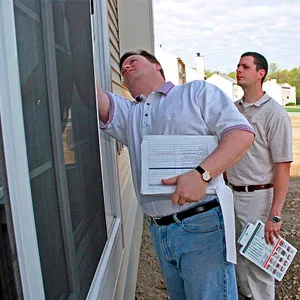
Investigation of potential fraud
During this step, investigators search for tell-tale signs of fraud and launch an inquiry into any suspicious activity.

Establishment of a settlement amount
After a thorough investigation, insurers determine a settlement amount that is fair and in compliance with the policy terms.

How long have you had your home insurance policy? Have you filed a claim?
Receive FREE Assistance & Inspection to start the process with your insurer.
Ian hurricane – Water damage – Roof damage – Wind damage – Storm damage – Fire damage – Denials – And more… ask us!
Claim investigation is an essential component of the insurance process that promises several positive results. Not only does it protect insurers against fraud and overpayment, but it also helps to ensure that customers receive the compensation they’re entitled to. By investing in a careful and thorough investigation process, insurers can benefit from cost savings, increased accuracy, and improved customer relations.